
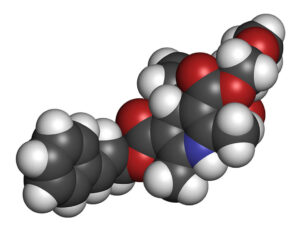
 The RECONNOITER Study is a 64 patient prospective, double-blind, randomized Phase 2 trial designed to assess the safety and efficacy of AISA-021 (cilnidipine) in patients with scleroderma and secondary Raynaud’s. The study will assess the impact of treatment on a variety of endpoints including Raynaud symptoms, GI effects, endothelial dysfunction and overall assessments of Systemic Sclerosis. The study is being conducted in two parts, Part A, a Phase 2A parallel arm design to evaluate dose, safety, and efficacy, was completed in 27 patients and further evaluated the effect co-administering tadalfil, a PDE-V inhibitor. Part B, which was recently also completed, evaluated AISA-021 alone in 37 with SSc-RP and was formally powered as a Phase 2 randomized crossover design to demonstrate safety and efficacy of AISA-021 daily treatment.
Patients were recruited at two hospitals in Australia, and the initial study started in June of 2021. Following this study, an international multicenter Phase 3 study is envisioned. In 2022, the Data Safety Monitoring Board (DSMB) for the study met and reviewed data from Part A and selected a dose of AISA-021 to be used in the second part of the study and found initial data demonstrated no concern for safety and that efficacy appeared better than traditional calcium blocker therapy for SSc-RP. Although the addition of tadalafil to AISA-021 appeared to complement efficacy at the lower dose of AISA-021 evaluated in Part A, it did seem to contribute to adverse events and its impact on AISA-021 efficacy at the higher dose was not apparent. The DSMB thus encouraged continuation into Part B in a simple 2 x 2 crossover design to evaluate AISA-021 versus placebo. Aisa Pharma has now completed enrollment in this study.
Scleroderma, or systemic sclerosis, is a devastating autoimmune disease with the highest mortality and disability incidences of this group of diseases. While treatments have been approved to treat the lung changes that accompany the disease, there is no treatment approved to treat the Raynaud symptoms that occur in 95% of these patients, the GI symptoms, or significantly modify the course of the disease. It is hoped that AISA-021 may produce such as result. Recent studies have highlighted the antifibrotic activities of calcium channel blockers and efforts are underway to compare AISA-021 in this regard to older calcium channel antagonists using AI in silica analysis and ex-vivo tissue and diseased cell modeling.